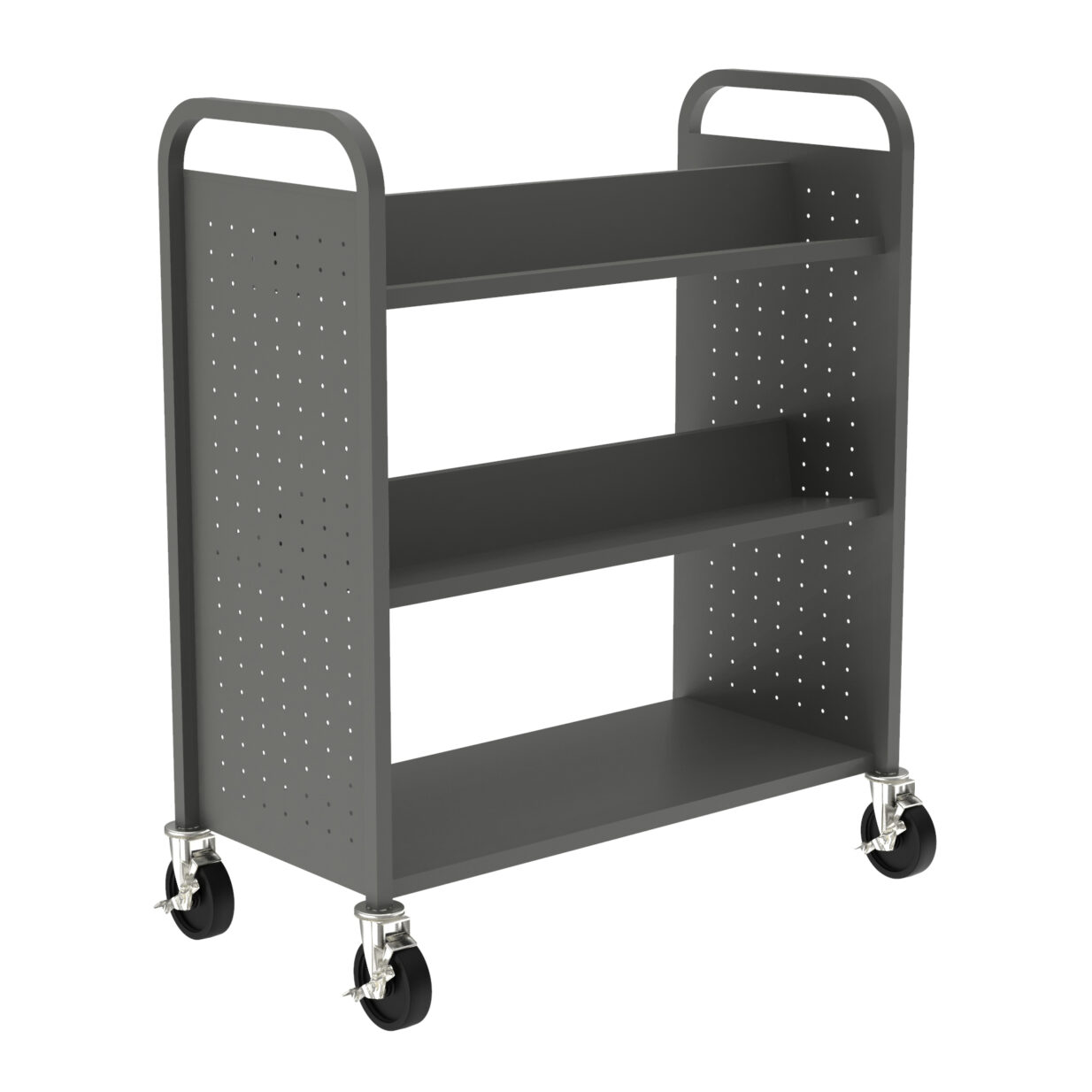
How AI-Generated Imagery Is Changing the Way People Buy Online
Artificial Intelligence has changed the content landscape faster than any creative revolution in history. From product photography to video production, AI tools can now generate visuals so realistic that even professionals struggle to tell whether an image or clip was shot in-studio or synthesized in a machine. While this opens the door to unprecedented efficiency and creativity, it also raises new questions about authenticity, trust, and the way consumers make buying decisions online.
The Line Between Real and Artificial
Until recently, producing a professional-quality product photo required staging, lighting, camera work, and post-production — often days of coordination and cost. Now, with the right AI model, a marketer can generate a studio-perfect product image in seconds, complete with lifelike materials, natural shadows, and believable reflections. The same goes for video. AI-generated product demos and explainer clips can now feature virtual actors, dynamic lighting, and camera motion that look indistinguishable from live action.
For the consumer, the distinction is increasingly invisible. A scrolling shopper doesn’t stop to question whether the image is real — they simply react to how it makes them feel about the product. The issue, then, is not whether AI can create convincing imagery, but whether that imagery builds or erodes trust.
The Trust Factor
Online shoppers depend on visual cues to make confident purchasing decisions. They can’t touch, test, or handle the product — so they rely on photos and videos to bridge that gap. When those visuals feel “too perfect,” customers may subconsciously doubt what they’re seeing. They start to wonder: Is that really what I’ll get?
Manufacturers and brands that use AI responsibly are learning to strike a balance. AI can enhance images by refining lighting, backgrounds, and color consistency, but the goal should always be accuracy, not illusion. The brands that succeed will be the ones that use AI to clarify — not distort — the product story.
The Efficiency Advantage
From a production standpoint, AI has revolutionized the workflow for content creation. It allows teams to rapidly test different angles, colorways, or environments without reshooting. For manufacturers managing large product catalogs, AI can generate hundreds of consistent, high-resolution images in a fraction of the time it once took to photograph them. It’s an undeniable advantage in speed-to-market, especially for e-commerce platforms like Amazon, where visual consistency drives credibility and conversion.
A New Kind of Visual Honesty
The future of digital marketing isn’t about avoiding AI — it’s about integrating it ethically. The most effective content strategies will blend authentic photography with AI-enhanced storytelling, creating visuals that are both emotionally powerful and factually accurate. Shoppers will reward brands that remain transparent, confident, and visually consistent across every touchpoint.
At Incomar Creative Services, we believe AI should empower creativity, not replace it. The tools are new, but the goal remains the same: to help people see, understand, and believe in your products. And in a marketplace where the line between real and artificial is blurring, that kind of trust has never been more valuable.
When planning a video, one of the most critical factors to consider is length — and today, AI makes it easier than ever to get it right. According to Vidyard’s Video Benchmark Report, audiences are consuming more video content than ever before, but their attention spans are getting shorter. In 2017, the average video was 11 minutes long, with just over half under 2 minutes. By 2018, the average dropped to 9 minutes, and nearly three-quarters were under 2 minutes. Viewership tells the story: videos under 90 seconds hold attention for nearly 60% of their duration, while those over 30 minutes retain only about 14%.
In short — less is more. But how short is too short?
That depends on your goals. For product-focused videos that highlight features and benefits, aim for 60 seconds or less. For social media, adapt to the platform: Instagram and X (Twitter) perform best with clips under 30 seconds, while LinkedIn, Facebook, and YouTube audiences engage most with content between one and two minutes.
This is where AI adds a new layer of precision. AI tools can now analyze audience behavior, identify ideal cut points, and even generate tailored edits for each platform — automatically optimizing your video’s pacing, visuals, and tone for maximum engagement. Instead of guessing what works, you can let data guide creative decisions in real time.
At Incomar Creative Services, we blend human creativity with AI intelligence to craft videos that are not only visually compelling but strategically engineered to perform. By combining storytelling expertise with AI-powered analytics, we help you deliver the right message, at the right length, to the right audience — every time.
The Customer: Gratnells
The worldwide leader in educational storage solutions, Gratnells, recently upgraded their Dynamis product line. They tasked Incomar to develop new images before the actual units were built, in order to hit the ground running with all necessary sales content.
Challenges + Roadblocks
Building a new unit and shipping it to the Incomar headquarters was not an affordable option, due to the fact that Gratnells is a UK-based company and they needed images before the units were built. Speed was of the utmost importance, while not sacrificing quality. Since 75% of consumers rely on product photos when deciding on a potential purchase1, it was critical that these images were photo-realistic, even on a tight deadline.
The Solution
Incomar specializes in 3D product rendering, which allows us to create high-quality visuals without the physical products in our studio. We created 3D renderings of the 18 new products in every available color sold throughout the United States and Europe. In total, that meant 414 high-resolution photo-realistic images of the new Dynamis line, produced on a quick timeline!
Here are samples of the final images:

In Gratnells’ case, time to market was key. Incomar was able to produce these high-quality images within the provided timeline to optimize product release. Staying ahead of trends by increasing your speed to market gives you a decisive competitive advantage.
Whether you want to photograph an existing product or create a 3D rendering of something new, Incomar Creative Services can provide high-quality images for your products. Let’s work together! Reach out to us at 847.541.4626 or click here.
1 Information taken from 5 Significant Facts– How Product Photography Can Impact Your E-Commerce by Yen Pedrajas
Many people describe dealing with or working for, customer service as a special place in hell. However, this could very well be because companies are overlooking the ever-evolving design tools. Animation and video are transforming the way businesses are interacting with their customers, from relaying important information to explaining their company’s origin story through animations, to engaging product demo videos. Here, you’ll find the simple ways to transform your customer service through the use of creative tools.
Implement Animated Explainer Videos
Animation and video may not seem like an obvious tool in customer service, but companies are finding that it’s extremely valuable for customers. These 30-90 second videos can explain your company’s product or services in an easily digestible way. They can live on your websites’ landing page or the product page. Animated explainer videos often reduce customer services calls, as they can give information that’s more comprehensive, and engaging than written and often confusing instructions.
Give Customers Tutorial Videos
Tutorial videos help customers learn how to explore your product and use it most efficiently. They’re frequently placed prominently on the product page because when consumers need them, they really need them. They also continue the excitement of the purchase which can create long-term brand loyalty, particularly compared to companies who sell products or services and leave the consumer to fend for themselves. Tutorial videos can be animated, or live-action, but generally utilize creative design features to keep the attention of the customer and allow them to feel supported by the company they’ve patronized.
Product Demo Videos Are the New Tutorial Videos
Yes, these are similar to tutorial videos, but when you put yourself in the position of a customer you see how different they are, and why it’s worth it for companies to create both. When you’re considering a product, almost no one in the world will watch a tutorial video. Potential customers want to watch something that explains why this product is better than its competitors. Demo videos are about showcasing your service or product as the answer to a problem in the consumer’s life, and if you can give that to them in an entertaining manner, it’s almost a guarantee you’ll sell a higher volume of product.
Why Video Is Important
The average adult has an attention span of goldfish, and that’s not hyperbole. Customers last about eight seconds on a website before a new shiny object (generally in the form of a link) catches their eye. Reading long explanations just isn’t sustainable anymore, but videos, particularly ones that utilize animation or humor, can keep them engaged. That, along with creating shareable content can greatly expand your consumer network, build brand awareness, and increase your visitor to buyer ratio. A user won’t purchase if they don’t see what you offer. Video immediately grabs attention so you have the chance to ‘pitch’ them before they are off to the next link.
Companies like Incomar are now specializing in video production and animation design to help businesses innovate. Businesses who opt to work with these companies are seeing results in increased sales and brand recognition. Animated videos can breathe life into your customer service department, accelerate growth, and ultimately help provide better customer satisfaction.
Here at Incomar Creative Services, we value teamwork and the melding of minds. We consider this step to be crucial to our creative process. Afterall, the best ideas happen when we put our heads together!
From the very beginning, Incomar understands that collaboration is important. We start our relationships with a client discovery session, something not dissimilar to a Vulcan mind-meld. This helps us identify what needs to be highlighted about a product or service. It is our responsibility, through this collaboration, to bring to light features, benefits, and solutions to achieve the final output. In turn, we use this shared vision to guide us through the rest of our process.
Next, we’ll help you develop an item level strategy. When creating this, we look at two essential questions: the first being “Who do they want to be seen as?” Brand Identity is a huge consideration when creating your strategy. The second question is “How do they want to be perceived in the marketplace?” We’ll draw upon the client’s knowledge to put the answers to those questions into eloquent words and impactful images.
Incomar will audit current content, looking for gaps in the overall message. We are always on the hunt for gaps that can be filled by best-in-class content, image, and video strategies. This is always done in close collaboration with the client. Two-way communication is critical to the process, resulting in digital assets that drive sales growth.
Now that the groundwork is complete, we can finally get to creating new quality digital marketing content. We’ll help you make incredible graphics and copy, even if you don’t have the resources to create it yourself.
After all that hard work is done, the only thing left to do is enjoy your results! The numbers reflect the ongoing exchange of ideas and opinions between Incomar Creative and our clients. Our testimonials and our customers’ growth are a tribute to that!
So, what are you waiting for? Reach out to us at 847.541.4626 or click here. Let’s put our heads together and make something great!
Early Beginnings
In the mid 90s, just having a website with text and images was enough to get attention. “If you build it, they will come” was real. There wasn’t a lot of competition. Yahoo! was hand-entered information. Michael Dell was building computers in his college dorm. And Jeff Bezos was selling books out of his garage.
Do you remember when Amazon used to look like the image above?
Those were the days! There’s no question that today’s internet is a different beast. This begs an important question…How do you keep up with something that’s always changing? Luckily for you, we’ve compiled a couple tips to help you keep up:
Tip #1: Keep a Pulse on Social Media
Staying in the loop about existing and up-and-coming social media sites is critical. With 4.48 billion users worldwide, social media is a great way to connect to customers and get word out about your product. By staying in-the-know, you can jump on trends and reach people previously unreachable in your market.
Early adopters of new platforms have a plethora of advantages; even if they don’t use the platform perfectly, they have a better chance of building an attentive audience. One of the best examples of this is Honda. When Pinterest was new on the social media scene, Honda took a chance with their #Pintermission campaign. Instead of utilizing this platform like it was intended, this campaign actually encouraged Pinterest users to take a break from the platform to “actually engage in their hobby in the real world, while test-driving a new Honda”. The campaign was a smashing success, garnering around 16 million impressions.
So, take a chance on that new social media platform you don’t fully understand yet! (Yes, we’re looking at you, TikTok…) Taking ten minutes out of your day to keep a pulse on social media will dramatically improve your understanding of these types of platforms. They are always changing and improving, just like the internet itself.
Even if you understand social media, it can be difficult to reach your audience if you don’t have the perfect combination of timing and content, which brings us to tip number two.
Tip #2: Explore Different Types of Content
Photos and videos and gifs… oh my! There are so many different types of content to choose from that it can be overwhelming to the casual internet user. In the beginning stages of the internet, content types were limited to words and grainy pictures. Now, the options are endless.
Here’s a fun content idea you might not have thought of: If you want to upgrade your photos, try 3D Rendering! With 3D rendering, you can tweak images any way you want. Environment rendering is another great way to improve photos, giving you even more control of the way your images look.
Another great way to reach your audience is video. One third of all online activity is spent watching videos, according to Siteify. This makes it the perfect content type to grab some eyeballs for your product. To learn more about how video can help you reach customers, you can read our article about the importance of video.
Tip #3: Get Outside Help
This stuff can be overwhelming, we know. That’s why Incomar Creative Services is here to help! While the internet of the mid 90s is sadly long gone, today’s internet doesn’t have to be scary. We can help you find the perfect balance of content, timing, and audience.
Reach out to us at johnw@incomarservices.com or give us a call at 847.541.4626. We look forward to working with you!
RGB and CMYK are the two most common color modes used in graphic design. While they each have advantages, certain types of projects require specific modes. It is important to understand the differences between RGB and CMYK so you can choose the one that is best for your project.
RGB is an additive color model, while CMYK is subtractive. RGB uses white as a combination of all primary colors and black as the absence of light. CMYK, on the other hand, uses white as the natural color of the print background and black as a combination of colored inks. Designers and printers use the RGB color mode for media that will be viewed on a monitor and CYMK for print materials. CMYK subtracts colors from natural white light and turns them into pigments or dyes. Printers then put these pigments onto paper in tiny cyan, magenta, yellow, and black dots – spread out or close together to create the desired colors.
CMYK (Cyan, Magenta, Yellow and Black)
- Used for print
- Make up approximately 2 million+ colors when blended
RGB (Red, Green and Blue)
- Used for the web and monitors
- Can produce millions of color intensities when blended
Hexidecimal or HEX colors are expressed as a six-digit combination of numbers and letters defined by its mix of red, green, and blue (RGB). Software is needed to convert RGB into Hexidecimal colors.
Do you need help with creating or managing images! Give us a call at 847.541.4626 or send an email to johnw@incomarservices.com.
All image files are not created equal.
Depending on where and how you plan to use an image, different types of files are needed. A basic understanding of the different types of image files – and when and where to use them –will ensure seamless collaboration and efficient delivery.
Four common image file types:
JPEG or JPG (Joint Photographic Experts Group)
- Widely used format
- Best for web on a white background
- Smallest file size when saved at 72 DPI
- Easily attaches to emails or uploaded to platforms with file size restrictions
TIFF or TIF (Tagged Image File Format)
- Highest quality
- Largest file size
- Best for print applications
- Files are often too large to attach to an email or use on the web
GIF (Graphic Interchange Format)
- Used to create animations for the web
- Not suitable for print
- Limited color options
PNG (Portable Network Graphics)
- Exclusively for web use, not print application
- Best option when you need a transparent background
- Better image quality than JPEGs
Do you need help developing an effective image file strategy? Give us a call at 847.541.4626 or send an email to johnw@incomarservices.com.
At Incomar Services it’s our job to create and manage strategic content for our customers. We assist in the Strategy, Creation, and Integration of products and to promote them to existing and potential customers through a variety of sources.
Case in point… Diversified Woodcrafts was looking for a user-friendly way to display their A-frame Table when it was upgraded with dozens of combinations, creating over 80,000 unique SKUs.
With the ability to choose multiple options, from steel frame sizes, top sizes, top swatches, edge bands, steel colors, foot or glide types and hooks, but no way to preview the product, it quickly became a challenge to avoid confusing customers.
This is where Incomar Servies joined the conversation! We provided what Diversified Woodcrafts’ customers and company needed, a user-friendly tool that easily allows the customer to configure the table they want while sitting at their computer.
The OPC by Incomar (Online Product Configurator) is designed to provide a visual representation of the colors, top materials and caster options.
Once the AFT is configured, the customer can simply review the Summary and export a PDF spec sheet that shows the product configuration, line listed, and the unique product code. They can simply print it out or forward it to a territory manager for purchase.
Transforming the complexities of configuration to an intuitive process gives Incomar’s partners a platform that puts their customers in charge of their selections while providing accuracy and peace of mind.
Tap into the limitless possibilities with the OPC by Incomar.
What Is Digital Asset Management?
Believe it or not, you’re most likely familiar with the basic concepts of digital asset management (DAM). Digital Asset Management is all about saving, naming and sharing images, video files, audio files, and so on. To be successful your digital assets should be stored and cataloged in a centralized location that is easy to access. Sort of like storing files on your computer, but a bit more complicated. DropBox and Google Drive users will, for the most part, understand.
Why Use DAM Software?
DAM systems are implemented so users can easily and quickly navigate to the file they are looking for. The DAM library should be simple, fast and logical. Here are several factors to a DAM’s effectiveness:
- Metadata – a set of data that describes the asset. Metadata structure must effectively organize your assets.
- Permissions – Permissions allow certain users access to certain assets. Access will range from open to highly secure depending on the user level and asset use. This becomes more important when sharing outside your organization.
- Interface – Keep it simple and fast! If the interface is cumbersome or slow, you can’t make use of the DAM tool. The user should be able to quickly identify what they need.
Top Five DAM Tools (IMHO)
Regardless of what tool you choose, the importance of saving, naming and sharing images, video files, audio files and so on it towards the top of the list. If you can’t manage your files, you’re spending valuable time and resources searching for files instead of customers.