
How AI-Generated Imagery Is Changing the Way People Buy Online
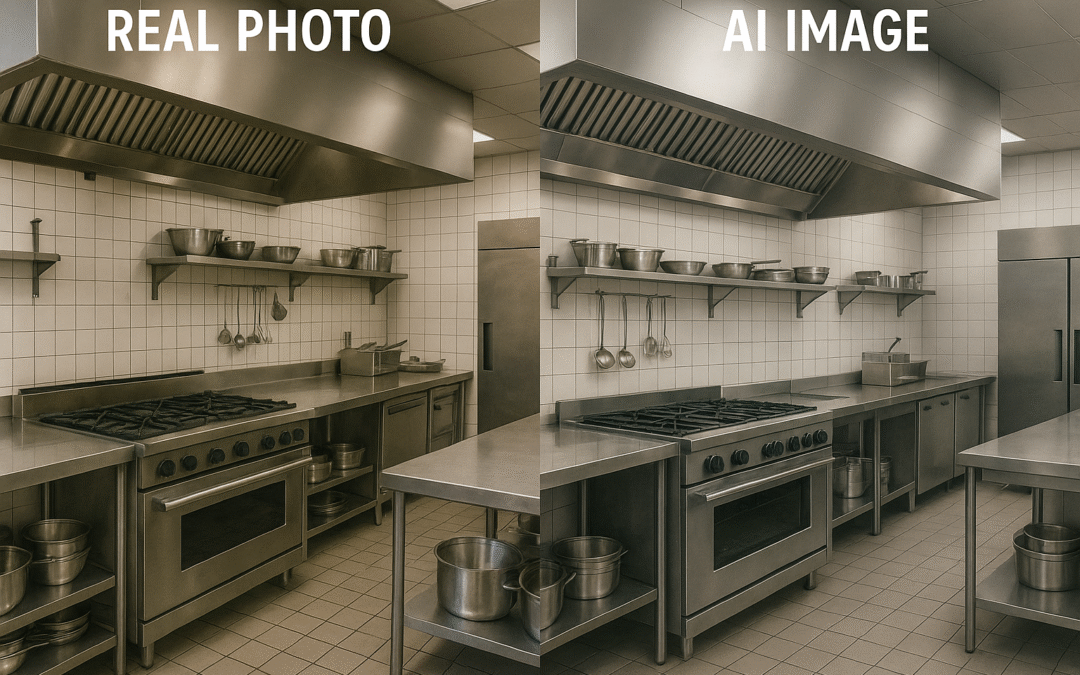
Artificial Intelligence has changed the content landscape faster than any creative revolution in history. From product photography to video production, AI tools can now generate visuals so realistic that even professionals struggle to tell whether an image or clip was shot in-studio or synthesized in a machine. While this opens the door to unprecedented efficiency and creativity, it also raises new questions about authenticity, trust, and the way consumers make buying decisions online.
The Line Between Real and Artificial
Until recently, producing a professional-quality product photo required staging, lighting, camera work, and post-production — often days of coordination and cost. Now, with the right AI model, a marketer can generate a studio-perfect product image in seconds, complete with lifelike materials, natural shadows, and believable reflections. The same goes for video. AI-generated product demos and explainer clips can now feature virtual actors, dynamic lighting, and camera motion that look indistinguishable from live action.
For the consumer, the distinction is increasingly invisible. A scrolling shopper doesn’t stop to question whether the image is real — they simply react to how it makes them feel about the product. The issue, then, is not whether AI can create convincing imagery, but whether that imagery builds or erodes trust.
The Trust Factor
Online shoppers depend on visual cues to make confident purchasing decisions. They can’t touch, test, or handle the product — so they rely on photos and videos to bridge that gap. When those visuals feel “too perfect,” customers may subconsciously doubt what they’re seeing. They start to wonder: Is that really what I’ll get?
Manufacturers and brands that use AI responsibly are learning to strike a balance. AI can enhance images by refining lighting, backgrounds, and color consistency, but the goal should always be accuracy, not illusion. The brands that succeed will be the ones that use AI to clarify — not distort — the product story.
The Efficiency Advantage
From a production standpoint, AI has revolutionized the workflow for content creation. It allows teams to rapidly test different angles, colorways, or environments without reshooting. For manufacturers managing large product catalogs, AI can generate hundreds of consistent, high-resolution images in a fraction of the time it once took to photograph them. It’s an undeniable advantage in speed-to-market, especially for e-commerce platforms like Amazon, where visual consistency drives credibility and conversion.
A New Kind of Visual Honesty
The future of digital marketing isn’t about avoiding AI — it’s about integrating it ethically. The most effective content strategies will blend authentic photography with AI-enhanced storytelling, creating visuals that are both emotionally powerful and factually accurate. Shoppers will reward brands that remain transparent, confident, and visually consistent across every touchpoint.
At Incomar Creative Services, we believe AI should empower creativity, not replace it. The tools are new, but the goal remains the same: to help people see, understand, and believe in your products. And in a marketplace where the line between real and artificial is blurring, that kind of trust has never been more valuable.